From VR Services to Romania’s First Immersive Digital Space
Romania VR came to us as a company built around virtual tours and digital representations of physical spaces. The technology was there, but the business had the potential to become much more than a service provider. Our challenge was to identify what that next stage could look like and build the strategy, positioning and brand needed to support it.
We started with a 360° audit of the existing business, looking at its services, communication, current clients and commercial direction. Alongside this, we researched the competitive landscape, analysing more than 12 competitors and taking a closer look at the three most relevant players in the market. One of the key opportunities we identified was that, while other companies were creating virtual tours and immersive experiences, there was room for a more cohesive concept: a digital ecosystem capable of bringing businesses, attractions and experiences together rather than treating every virtual tour as an isolated product.
"Who are we and where do we want to go next?"
That insight fundamentally changed the direction of the project. Instead of simply improving the way Romania VR presented and sold its existing services, we began repositioning the business itself. Virtual tours would remain part of the product, but they would become the infrastructure behind a much broader experience: an interactive and immersive digital space where people could discover and explore cities, while local businesses could gain visibility and connect with relevant audiences.
To make that transition commercially viable, we first had to understand who the ecosystem was being built for. We separated the paying client — the businesses featured within the platform — from the people whose activity would ultimately create its value. We developed audience segments around tourists, residents and businesses researching their competitive landscape, then mapped the types of local companies and organisations most relevant to their needs, from hospitality, retail and entertainment to education, healthcare, wellness, workplaces and tourism.
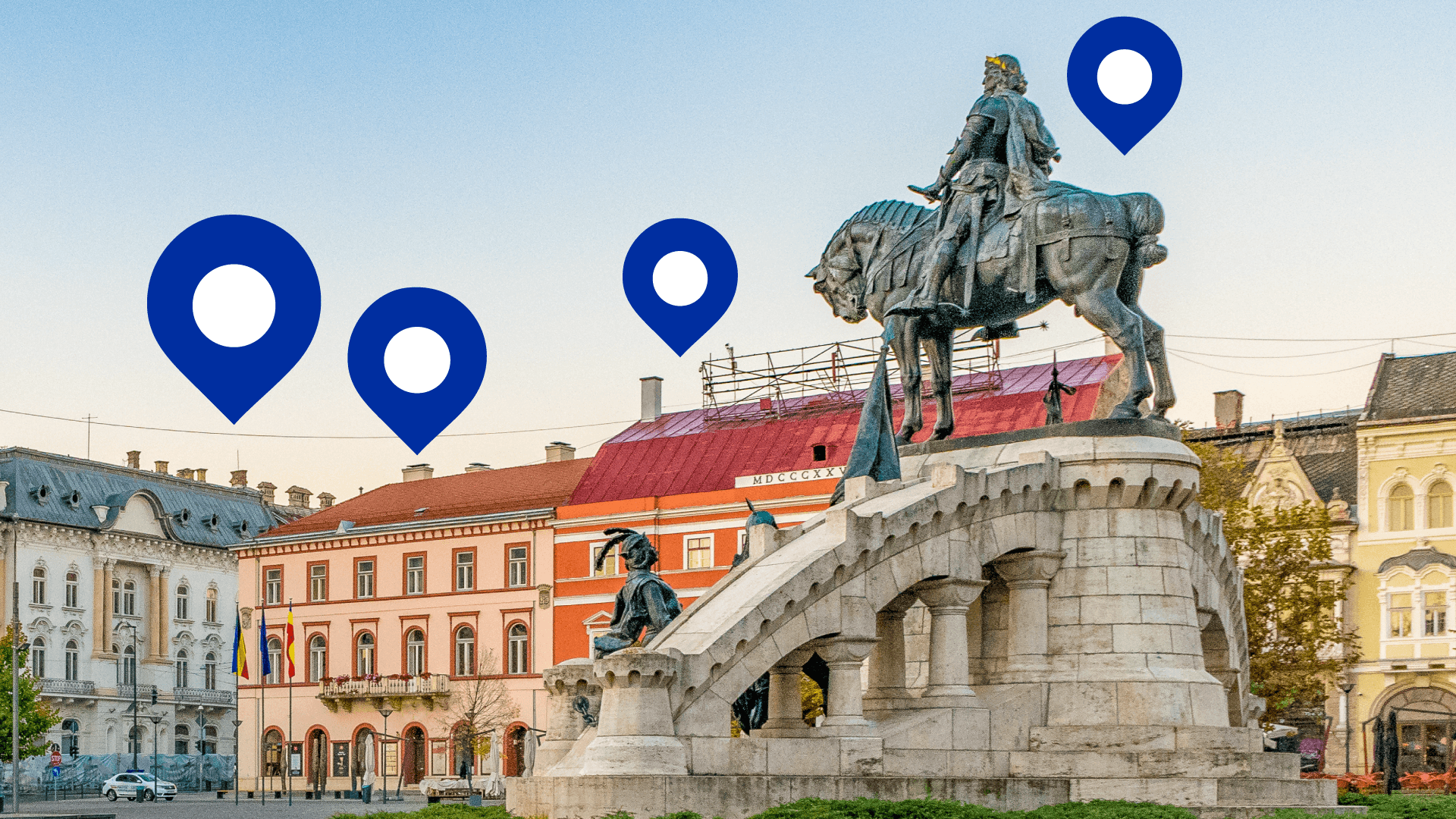
This audience work became the foundation for the wider business strategy. Rather than opening the platform indiscriminately to any company, we proposed a more curated model centred on relevant, quality businesses and a gradual city-by-city expansion. Cluj-Napoca would become the first market, building sufficient coverage and a strong base of participating businesses before the concept expanded into cities such as Bucharest, Iași, Timișoara, Sibiu, Brașov and Oradea.